How sampling works
What Mold Testing in Burlington, VT Really Measures
Testing means collecting physical samples and handing them to a microbiology lab. The most common air method uses a spore-trap cassette on a calibrated pump. A typical run is 15 liters per minute for 5 minutes, so 75 liters of air pass over an adhesive strip inside the cassette. The lab counts and identifies what landed on that strip under a microscope, then converts the count to spores per cubic meter of air.
Indoor numbers mean almost nothing on their own. Outdoor air always carries spores, which is why a control sample gets taken outside during the same visit. The analysis uses rank order: indoor air in a healthy house usually mirrors the outdoor mix at lower numbers, so a spore type that tops the indoor list but barely appears outside is a red flag. There are no federal numeric limits for indoor spores, which is exactly why the outdoor comparison carries so much weight.
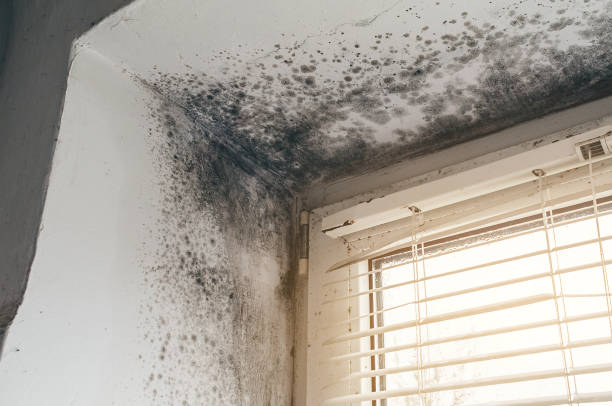
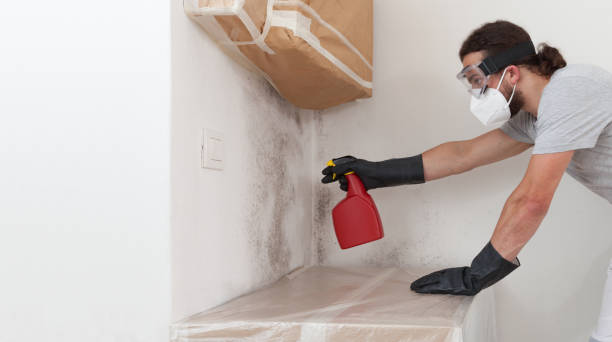
Surface sampling answers a different question: what is this stain? Tape-lifts grab spores and hyphae from smooth surfaces, swabs handle textured spots, and bulk samples are small cut pieces of the material itself. A wall-cavity air sample, drawn through a tiny hole, can show whether a closed cavity is loaded with spores. Folks in Burlington usually call for testing to document conditions for a sale, a lease dispute or a clearance after remediation.