How sampling works
What Mold Testing in Tarpey Village, CA Really Measures
At its core, mold testing is about capturing spores and letting a lab count them. The most common air method uses a spore-trap cassette on a calibrated pump. A typical run is 15 liters per minute for 5 minutes, so 75 liters of air pass over an adhesive strip inside the cassette. The lab counts and identifies what landed on that strip under a microscope, then converts the count to spores per cubic meter of air.
Indoor numbers mean almost nothing on their own. Outdoor air always carries spores, which is why a control sample gets taken outside during the same visit. If indoor levels run well above outdoor levels, or the indoor sample is dominated by types like Stachybotrys or Chaetomium that rarely show up outside in any quantity, that points to an indoor source. There are no federal numeric limits for indoor spores, which is exactly why the outdoor comparison carries so much weight.
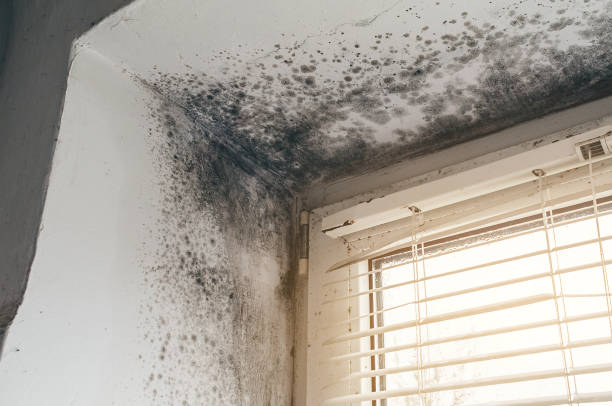
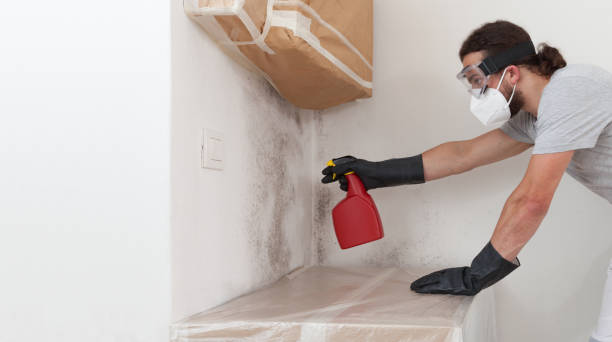
Surface sampling answers a different question: what is this stain? Tape-lifts grab spores and hyphae from smooth surfaces, swabs handle textured spots, and bulk samples are small cut pieces of the material itself. For suspected growth inside a wall, some pros take a wall-cavity air sample through a small port. Most Tarpey Village callers want testing for paperwork: a real estate disclosure, a tenant complaint, or proof a cleanup worked.