What removal really involves
Mold Removal in Boise City Starts With Taking the Damage Out
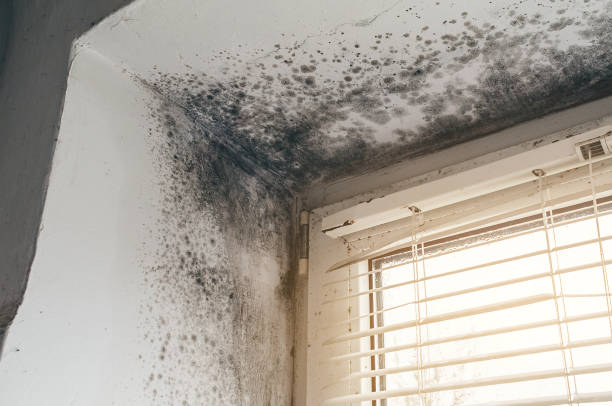
Most removal calls start the same way: a small gray or green spot shows up on a closet wall, under a sink or along a bedroom window sill, and a few weeks later it covers a much bigger area. What feeds the growth is nearly always moisture, whether it's a drip from a supply line, condensation on single-pane glass or a bathroom upstairs that has been leaking quietly.
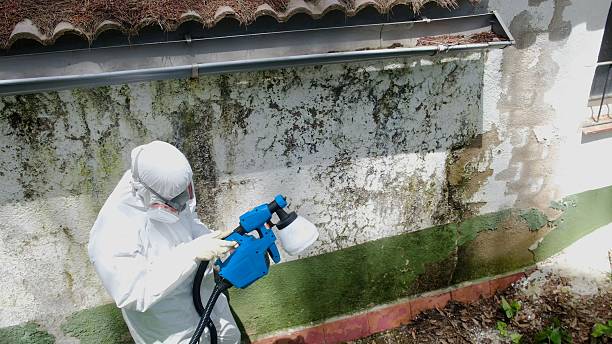
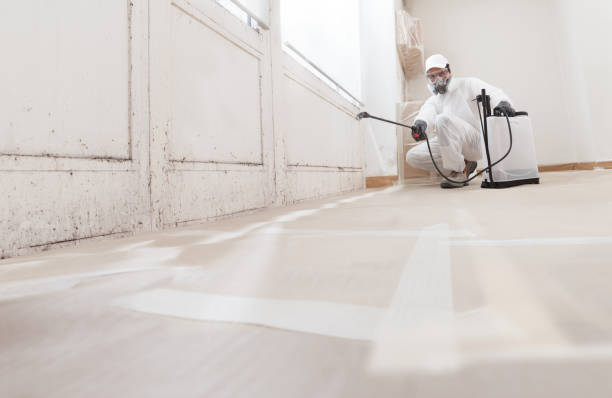
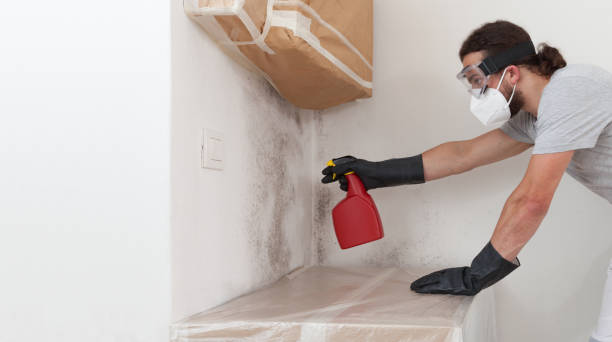
Removal means contaminated material either leaves the house or gets cleaned down to sound surface. Drywall gets cut out past the visible edge, because growth runs further than the stain you can see. Carpet pad, wet insulation and swollen particleboard go into 6-mil bags, get sealed, and get bagged a second time before they cross a clean room. Framing and subfloor are rarely torn out. Instead they're wire brushed or sanded, HEPA vacuumed and damp wiped until the surface is truly clean, not just lighter in color.
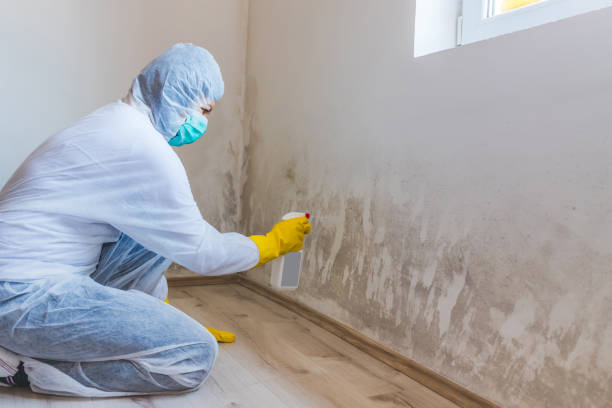
Bleach and store-bought sprays are the reason plenty of people call the line a second time. Bleach can whiten the stain, but it doesn't pull growth out of porous drywall paper, and the water in it can feed what's left. Antimicrobials have a place after cleaning, but they are not a substitute for taking the material out. In Boise City, the job also isn't finished until the area is dried to target moisture readings and handed off for rebuild, so fresh drywall never goes up over damp framing.