What removal really involves
Mold Removal in Plymouth Starts With Taking the Damage Out
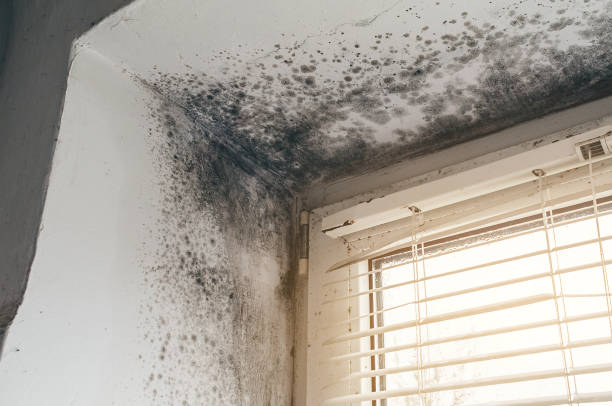
The pattern on these calls rarely changes. A spot gets ignored, a musty smell builds in a closet, or a dark line along the window sill comes right back after cleaning. What feeds the growth is nearly always moisture, whether it's a drip from a supply line, condensation on single-pane glass or a bathroom upstairs that has been leaking quietly.
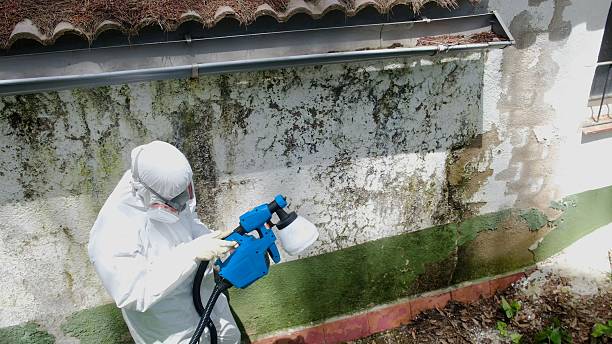
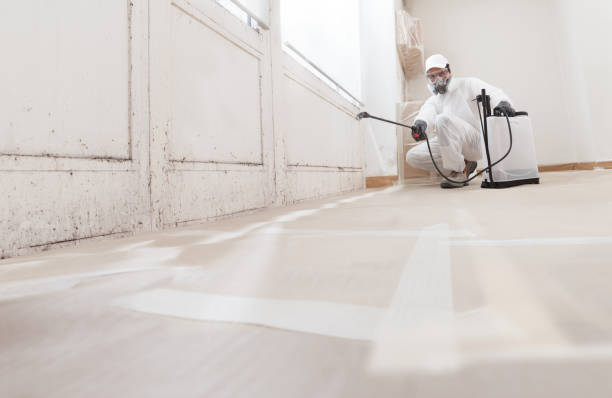
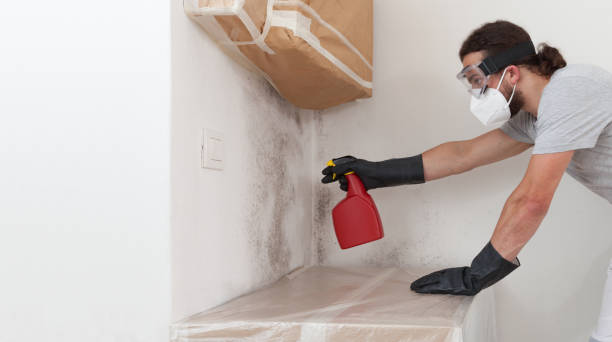
Real removal means moldy material is cut out and hauled away or cleaned back to a sound surface. The remediator cuts drywall well beyond the stain, since growth spreads behind the paint, and double-bags carpet pad, insulation and ruined cabinet bottoms in 6-mil plastic before carrying them out. Framing and subfloor are rarely torn out. Instead they're wire brushed or sanded, HEPA vacuumed and damp wiped until the surface is truly clean, not just lighter in color.
Bleach and store-bought sprays are the reason plenty of people call the line a second time. Bleach can whiten the stain, but it doesn't pull growth out of porous drywall paper, and the water in it can feed what's left. Antimicrobials have a place after cleaning, but they are not a substitute for taking the material out. In Plymouth, the job also isn't finished until the area is dried to target moisture readings and handed off for rebuild, so fresh drywall never goes up over damp framing.