Referral line open 24/7 for spreading mold on walls, ceilings and closets24/7 dispatch line: +1-844-326-4757
24/7 Emergency Line

Physical removal, not another coat of paint

Mold Removal in East St. Louis, IL

Growth that creeps across a ceiling, a closet or a sink cabinet has to be physically taken out, because covering it only hides it for a season. Dial the line and the dispatcher matches you with a licensed, insured independent contractor near East St. Louis who contains the area first and then removes the growth.

  • Licensed and insured independent pros
  • Containment and HEPA air filtration
  • Written quote before work starts

ESS Mold Inspection is a free referral line. Every job is performed by an independent local contractor, not by ESS Mold Inspection.

Licensed Mold Removal service in East St. Louis, IL - ESS Mold Inspection
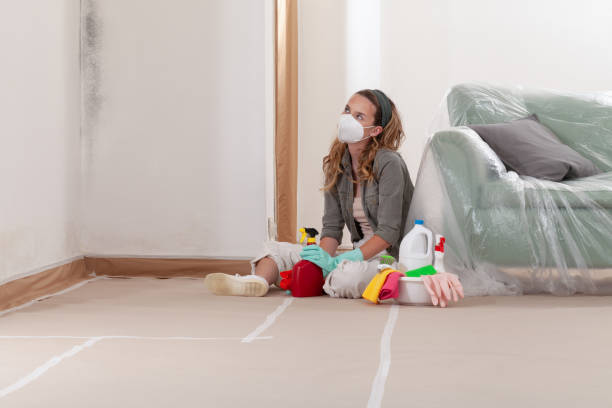
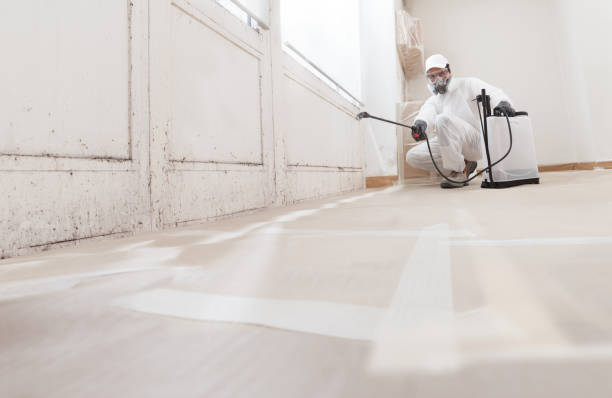
Containment goes up firstPlastic sheeting and negative air keep spores out of the rest of the house while material comes out.

What removal really involves

Mold Removal in East St. Louis Starts With Taking the Damage Out

Most removal calls start the same way: a small gray or green spot shows up on a closet wall, under a sink or along a bedroom window sill, and a few weeks later it covers a much bigger area. The growth is only the symptom. The cause is water, usually a slow leak, a sweating pipe or condensation that never fully dries between cold nights.

Removal means contaminated material either leaves the house or gets cleaned down to sound surface. Drywall gets cut out past the visible edge, because growth runs further than the stain you can see. Carpet pad, wet insulation and swollen particleboard go into 6-mil bags, get sealed, and get bagged a second time before they cross a clean room. Structural wood like studs and subfloor usually stays. It gets wire brushed or sanded, HEPA vacuumed and damp wiped until it's clean to the touch and clean under a work light.

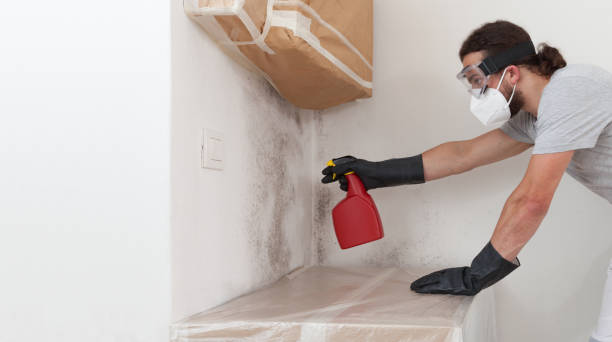
Bleach and store-bought sprays are the reason plenty of people call the line a second time. Bleach can whiten the stain, but it doesn't pull growth out of porous drywall paper, and the water in it can feed what's left. Antimicrobials have a place after cleaning, but they are not a substitute for taking the material out. For homeowners in East St. Louis, the last piece is drying: framing gets checked with a moisture meter and has to reach target readings before anyone hangs new board.
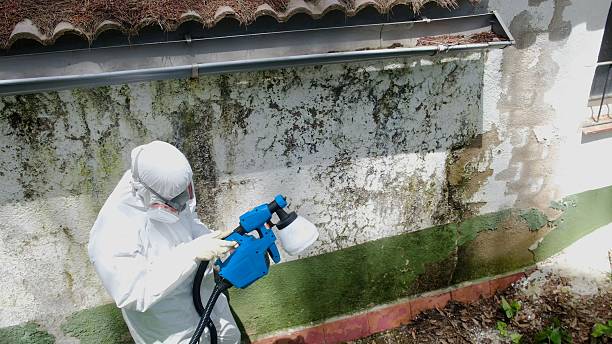
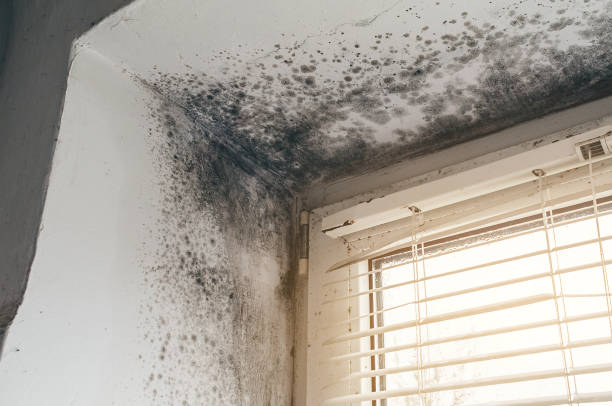
Professional Mold Removal technician working in East St. Louis, IL

Why callers use the line

Why Choose Our Specialized Mold Removal Network in East St. Louis, IL

Every contractor you reach through the line is independent, and the dispatcher's job is matching your problem with someone who does physical removal by the book.

01

Licensed and Insured Independent Pros

You're matched with an independent remediator who is insured and, where the state requires it, licensed for mold work. It's fair to ask for proof of coverage before work starts.

02

Fast Local Dispatch

Same-day site visits are common in most areas, and urgent calls, like a buyer's inspection deadline or a leak that's still dripping, are prioritized.

03

Upfront Written Quotes

The contractor measures the affected area, explains what gets cut out and what gets cleaned, and puts it in a written quote before any work starts.

04

Specialized Removal Tools

The right contractor arrives with poly sheeting and zipper doors, a HEPA negative air machine, HEPA vacuums, pin and pinless moisture meters, plus wire brushes and sanders for framing.

What the work covers

Common Mold Removal Jobs Routed Through the Line

These are the pieces of a typical residential removal. Your quote should spell out which of them apply to your house.

24/7 Emergency Mold Removal experts in East St. Louis, IL

Containment and Negative Air

The first hour is usually spent building containment: 6-mil poly walls, a zipper door, and a HEPA negative air machine that keeps the work zone at lower pressure than the rest of the house.

  • 6-mil poly walls with zipper doors
  • HEPA negative air exhausted outdoors
  • Floor protection along the exit path

Drywall and Ceiling Cut-Out

Paper-faced drywall with growth on it gets removed, not scrubbed. The remediator cuts beyond the visible edge, then opens the wall or ceiling cavity to see how far the moisture traveled.

  • Cuts made well past the visible edge
  • Wet insulation bagged with the board
  • Ceiling openings traced back to the leak

Porous Material Disposal

Carpet pad, fiberglass batts, cardboard boxes and swollen particleboard cabinet floors absorb growth deep into the material. They get misted, bagged in 6-mil bags, sealed, bagged again and carried out through the containment.

  • Double-bagged in 6-mil bags
  • Sealed before leaving containment
  • Disposal included in the quote

Framing and Subfloor Cleaning

Solid wood rarely needs replacing. The contractor wire brushes or sands the affected framing, follows with a HEPA vacuum and damp wipe, and repeats until the wood is visibly clean.

  • Wire brushing or sanding
  • HEPA vacuum, then damp wipe
  • Antimicrobial only after cleaning

Drying and Rebuild Handoff

Once the growth is gone, the framing has to dry to target readings before anything closes it back up. Dehumidifiers run inside the containment, and the remediator logs moisture readings until the wood is ready for new drywall.

  • Moisture readings logged daily
  • Dehumidifiers inside containment
  • Clean handoff to the rebuild

Mold Spreading After a Slow Leak?

The longer wet drywall sits, the more of it has to come out. A short call gets you matched with an independent remediator near East St. Louis who can look at it soon.

Call +1-844-326-4757Free referral call. Independent, licensed and insured local pros.
Trusted Mold Removal service in East St. Louis, IL - ESS Mold Inspection

How dispatch works

From Your Call to a Clean, Dry Wall

The path is short, and nothing gets cut until you've approved a written scope.

  1. 1

    Call Dispatch

    The dispatcher asks where the growth is, roughly how many square feet it covers, what the water source was and whether it's been fixed. EPA suggests professional help once mold covers more than about 10 square feet.

  2. 2

    Rapid Mobile Arrival

    An independent remediator near East St. Louis comes out, often the same day, with a moisture meter and a flashlight to trace the growth and find where the water came from.

  3. 3

    Expert Assessment and Quote

    You get a written scope: the containment plan, how much drywall or pad comes out, which surfaces get cleaned, how long drying should take and the price.

  4. 4

    Verified Resolution

    The job wraps with HEPA vacuuming, damp wiping, a visual inspection and dry moisture readings. In some states the clearance check has to come from a different company than the one that did the removal.

From the dispatch log

Typical Mold Removal Calls the Line Hears

Most removal jobs fit one of a handful of patterns. These are the ones that come up most.

Reliable Mold Removal contractor in East St. Louis, IL by ESS Mold Inspection
Home sale

Closet wall behind the water heater

A buyer's inspection turned up a musty smell in a closet sharing a wall with the water heater. A dripping relief line had kept the bottom of the drywall damp for months, so the contractor sealed the closet off, cut out the lower section and sanded the plate.

Outcome: The valve was fixed by a plumber, framing dried to target readings, and the seller had documentation to give the buyer.

Condensation

Bedroom window sills that kept coming back

After years of bleaching the same window sills each winter, one caller found the drywall under them crumbling. The contractor took out the returns and trim, cleaned the rough opening, and explained that condensation on the glass was feeding it.

Outcome: Damaged returns were replaced, and a dehumidifier plus better bedroom airflow kept humidity in the 30 to 50 percent range.

Slow leak

Sink base cabinet after a drain leak

A swollen, sour-smelling sink base led to a call. The drain trap had been leaking slowly, and growth had spread under the cabinet floor and up the wall behind it. The remediator removed the cabinet, double-bagged the particleboard and cut out the wet drywall.

Outcome: Once the framing dried, the cabinet was reset on a new floor panel and the trap was replaced.

Ceiling

Ceiling patch under an upstairs bathroom

A brown ring on a living room ceiling turned into a gray, fuzzy patch about the size of a doormat. The toilet wax ring upstairs had failed. The contractor set up containment under the bathroom, cut the ceiling back past the growth, bagged the wet insulation and cleaned the joists.

Outcome: The toilet was reset, the joists dried out, and the ceiling was closed back up with new board.

These are composite examples based on common calls to the line, not individual customer reviews.

Questions callers ask

Mold Removal FAQ

Talk it through first

Not sure if your patch needs a pro? Call and describe it. The dispatcher can tell you what an independent remediator will likely look at.

Call +1-844-326-4757
Can I just spray it with bleach?

Bleach can whiten the surface, but on porous materials like drywall paper, ceiling texture and raw wood it doesn't remove the growth underneath, and the water in it can feed what's left. That's why so many sprayed patches come back. Small spots on hard, nonporous surfaces can be cleaned with detergent and water, but growth in drywall has to be cut out.

How long does mold removal take?

Small jobs, like one wall section, are often done in a day. Bigger areas take longer, and drying to target moisture readings before rebuild can add several days. Ask the contractor for a timeline in the quote so you can plan around it.

Do I have to leave the house during removal?

In most cases no. The containment and HEPA negative air are there so you can keep living in the rest of the house. Anyone with asthma, allergies or a weakened immune system should check with their doctor about whether to stay elsewhere during the work.

What gets thrown out and what can be cleaned?

The rule of thumb is porous goes, solid stays. Moldy drywall, insulation, carpet pad and particleboard are bagged and hauled out, while studs, joists, plywood and hard surfaces are cleaned with sanding, HEPA vacuuming and damp wiping.

Will the mold come back?

Only if the moisture comes back. Removal takes out the growth, but the leak, the condensation or the high humidity has to be fixed too. EPA recommends keeping indoor humidity below 60 percent, ideally between 30 and 50, and drying any water damage within 24 to 48 hours.

Does homeowners insurance pay for mold removal?

It depends on the cause and your policy. Mold from a sudden, covered water event, like a burst supply line, is sometimes covered, often with a sublimit. Mold from a long-term leak or ongoing humidity usually isn't. Read your policy or call your agent before work starts, and keep photos.

Service area

Mold Removal Help Across East St. Louis and Nearby Areas

The line routes calls from across East St. Louis and the surrounding communities to independent remediators who handle residential removal: houses, townhomes, condos and rentals. Older homes usually call about closets, crawl-adjacent floors and plumbing walls. Newer, tighter homes call more about condensation on windows and cold corners.

If you're facing a closing date, an inspection report or a patch that keeps spreading, call +1-844-326-4757 and describe what you're seeing. You'll get a written quote before anything is cut.

  • Closet wall mold
  • Sink cabinet mold
  • Ceiling mold patches
  • Window sill mold
  • Drywall cut-out
  • HEPA cleanup
  • Post-leak mold
Affordable Mold Removal solutions in East St. Louis, IL

Our Services in East St. Louis, IL

Call +1-844-326-4757
🟢 Techs On Duty in East St. Louis, IL Call +1-844-326-4757