Commercial is a different job
Why Commercial Mold Work Runs on a Written Protocol
On a commercial property, the cleaner path is an independent assessor first, who documents conditions and writes the protocol the remediator then follows step by step. Keeping assessment and remediation separate protects the owner, and some states actually prohibit one firm from doing both on a single project.
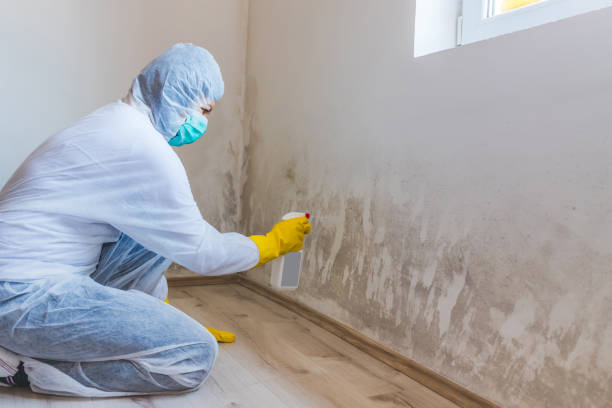
Commercial crews work to IICRC S520, the recognized remediation standard, and to OSHA requirements for respiratory protection and PPE. Engineering controls do the heavy lifting: critical barriers sealing doors, vents and penetrations, HEPA negative air machines exhausting the work zone, and a manometer at the containment wall logging the pressure differential so the building manager can see containment is holding.
The failure points are predictable. Flat-roof membrane leaks stain drop-ceiling tiles over offices and classrooms, chilled-water lines sweat above the grid, PTAC units in hotel rooms grow mold in their drain pans and wall sleeves, and multifamily turnover units reveal growth behind vanities and inside closets. Each one needs a crew that can work around tenants, guests, students or patients.