Stachybotrys, explained plainly
What Black Mold Removal Means When You're Worried About the Toxic Kind
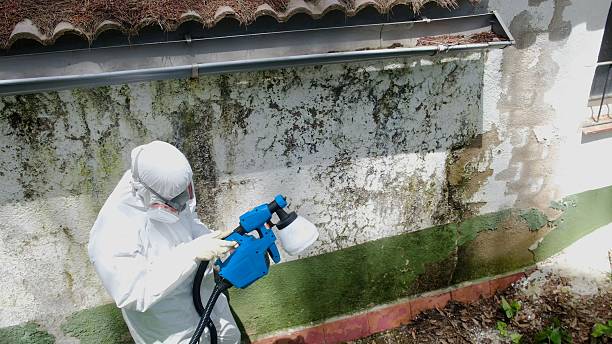
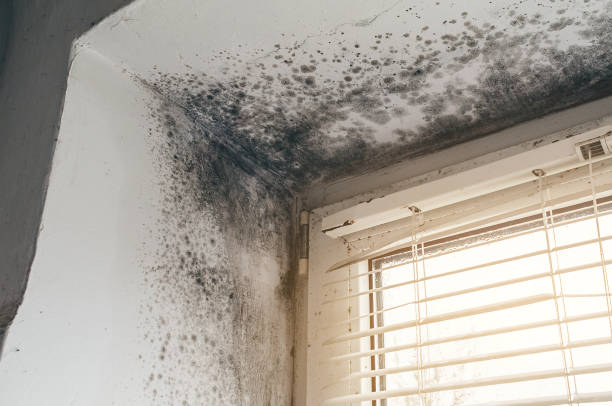
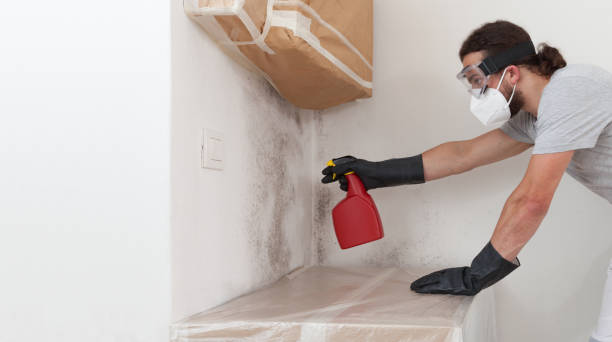
When a caller says toxic black mold, they almost always mean Stachybotrys chartarum. This species feeds on cellulose, so paper drywall facing, ceiling tile and cardboard boxes are its favorite food, and it only gets going when they've been soaked for weeks. Fresh colonies tend to look slimy and dark green to black. Once the source dries up, the growth goes dry and powdery, and that powdery stage sheds easily.
Here's what the internet skips: color doesn't tell you the species. Cladosporium, Alternaria and several other common molds are dark green or black too. The only way to know is a tape-lift or bulk sample sent to an accredited lab. Stachybotrys is one of the molds that can produce mycotoxins, and mold in general can irritate airways. Questions about kids, asthma or a weakened immune system belong with a doctor, and the remediator in Fredonia handles the house.
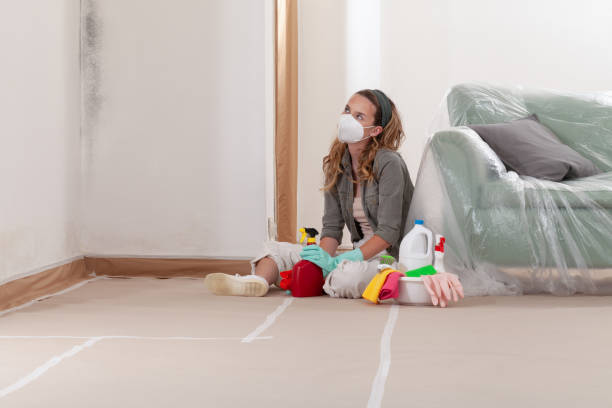
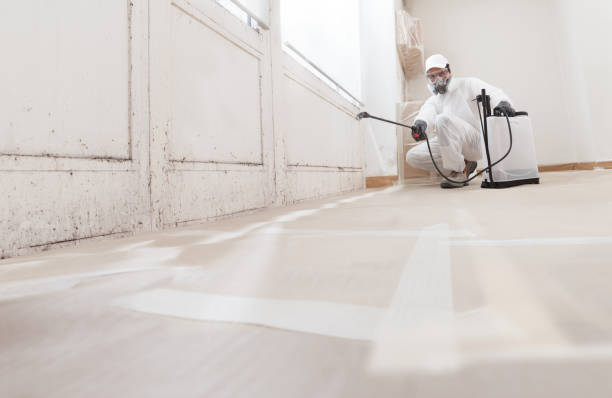
Whether or not a lab confirms Stachybotrys, the safe approach doesn't change much. Seal the area, keep surfaces damp so fragments stay put, remove more material than looks necessary, bag it inside the work zone, and verify the space is clean before containment is removed.