Stachybotrys, explained plainly
What Black Mold Removal Means When You're Worried About the Toxic Kind
The mold people call toxic black mold is usually Stachybotrys chartarum. It needs wet cellulose to grow: paper-faced drywall, ceiling tile, cardboard, wallpaper backing. It also needs that material to stay wet for weeks, which is why it turns up after a hidden leak rather than a one-time spill. Fresh colonies tend to look slimy and dark green to black. Once the source dries up, the growth goes dry and powdery, and that powdery stage sheds easily.
Here's what the internet skips: color doesn't tell you the species. Cladosporium, Alternaria and several other common molds are dark green or black too. The only way to know is a tape-lift or bulk sample sent to an accredited lab. Stachybotrys can produce compounds called mycotoxins. If someone in your house in Panaca has asthma, allergies, a weakened immune system, or is an infant, call their doctor with health questions.
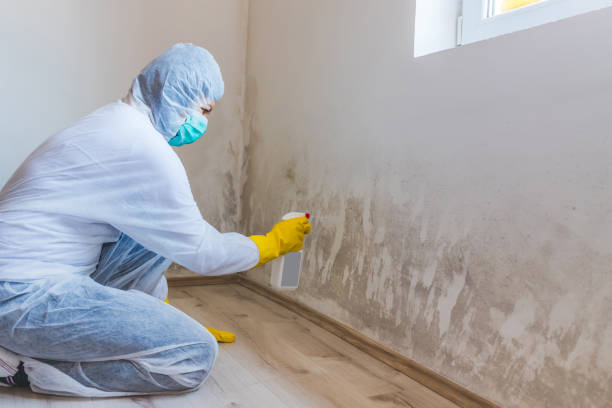
Treat every dark growth as if it were the worst case until results come back. That means containment before anything is touched, misting surfaces to keep dust down, cutting well past the visible growth, sealing debris inside containment, and a clearance check before the plastic comes down.