Bathroom mold, explained
Surface Spots or Something Behind the Tile in Your Angier Bathroom?
Every bathroom mold call falls into one of two buckets. Surface mold on grout and caulk lives on soap film and shower spray, and it scrubs off. The other kind grows behind the tile, inside the wall cavity or under the floor, where a failed shower pan, a leaking valve or a bad wax ring keeps the framing wet for months.
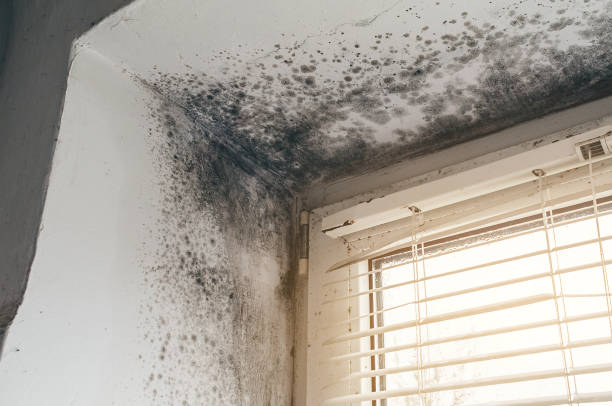
Silicone caulk is a common trap. Once mold roots into the silicone itself, bleach only lightens the color for a few weeks, so the bead has to be cut out, the joint dried and cleaned, and fresh mildew-resistant silicone laid in. Ceilings are the other hot spot: steam from long showers condenses on cold drywall above the tub when the exhaust fan is undersized, isn't run long enough, or vents into the attic instead of outdoors.
Older tub surrounds often hide paper-faced drywall behind the tile, and paper is mold food once water gets past the grout. That's why Bathroom Mold Removal in Angier so often involves a plumber and a remediator working the same job.