Bathroom mold, explained
When Bathroom Mold Is More Than a Cleaning Problem
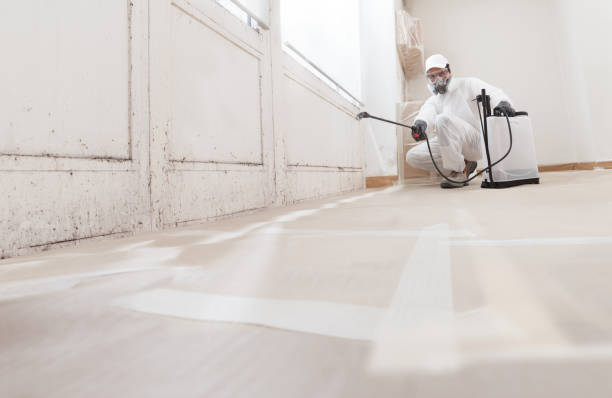
Bathroom calls split into two groups. Surface mold on grout and caulk lives on soap film and shower spray, and it scrubs off. The harder cases are growing out of sight, in the wall behind the tub surround or in the subfloor, kept damp by a cracked shower pan liner, a dripping valve body or a toilet seal that's been seeping for a long time.
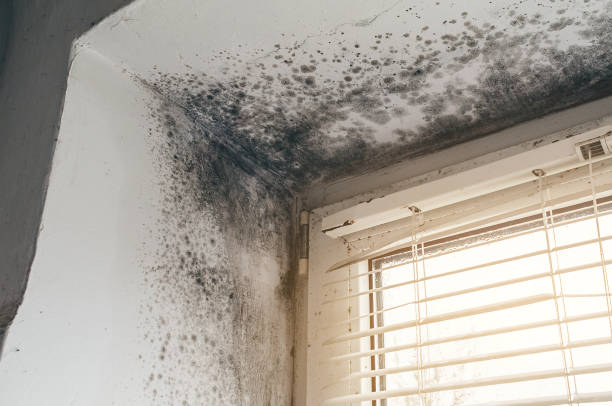
Silicone caulk is a common trap. When the growth is inside the bead, no spray will reach it; the old silicone gets sliced out with a razor, the gap is dried and treated, and new caulk goes in. Ceilings are the other hot spot: steam from long showers condenses on cold drywall above the tub when the exhaust fan is undersized, isn't run long enough, or vents into the attic instead of outdoors.
Older tub surrounds often hide paper-faced drywall behind the tile, and paper is mold food once water gets past the grout. When the cause is a leak, the remediator and a plumber usually have to coordinate.