Who we are
A 24/7 Referral Network for Bathroom Mold Removal in Comal County
Nobody plans for mold. Most callers find it by accident: a smell in a closet that won't go away, a dark spot creeping across a ceiling, or a line in a home inspection report that puts a sale on hold. ESS Mold Inspection was set up to give you one number to call instead of a dozen companies to vet on your own. The line is free, and it connects homeowners and property managers with independent, licensed and insured remediation contractors who already work throughout Comal County.
Comal County takes in a real mix of properties, from older neighborhoods with original plumbing to newer subdivisions where a builder skimped on attic ventilation, plus rural homes on crawl spaces and private wells. The contractors we route calls to work across the county every week, so they know the drive times, the local permit offices and the construction quirks that keep showing up.
It helps to know exactly what you're calling. ESS Mold Inspection is a referral line, not a remediation company. When you call +1-844-326-4757, a dispatcher gathers a few details about the problem and your location, then connects you with an independent contractor serving Comal County. The contractor owns the appointment, the written estimate and the workmanship, all under their own license and insurance. The referral is free.
This line handles nothing but mold and moisture calls, which keeps the questions focused. How big is the affected area, roughly in square feet? Is there an active leak right now? Is anyone in the home pregnant, elderly or dealing with asthma? Is there an insurance claim or a real estate deadline involved? Your answers decide whether the right first step is an inspection, an emergency response tonight, or a planned remediation appointment.
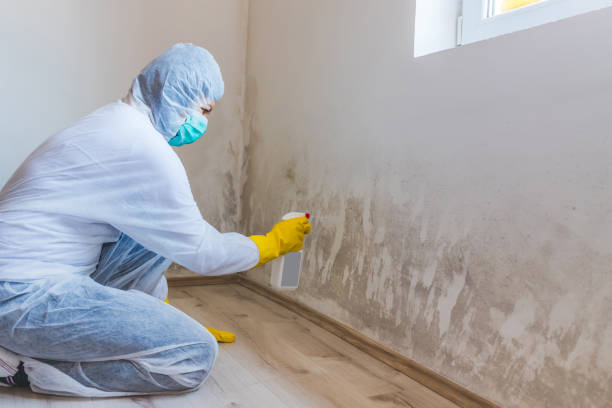
Real mold remediation has nothing to do with a spray bottle and a can of stain-blocking primer. The contractors in the network follow the same approach laid out in IICRC S520, the industry standard for professional mold remediation: find and fix the moisture, set up containment under negative air pressure, physically remove contaminated material, HEPA-clean what stays, dry the structure, and verify the result before anything is rebuilt. If anyone pitches a spray-only fix for a wall full of growth, that's your cue to ask harder questions.
Homeowners aren't the only ones who call. Property managers juggling a tenant complaint, landlords prepping a unit turn, real estate agents racing a closing date and business owners staring at a stained ceiling in the front office all dial the same number. The details differ, but every caller wants the same thing: the right local pro on site and a written plan they can act on.
A few things help while you wait for the contractor. Stop the water if you can, at the fixture shutoff or the main. Don't point fans at the growth or try to scrub a large area, which can scatter spores into the rest of the house. Close the room off, keep children and pets away, and photograph everything before it's touched; the contractor and your insurer will both want those images.