Below-grade mold
Why Basement Mold Keeps Coming Back in Milford
Basements are dug into damp ground, so the moisture problem is built in from day one. When the water table rises after heavy rain, hydrostatic pressure pushes water through hairline cracks in the foundation walls and up through the cove joint, the seam where the wall meets the floor slab. Add poor grading, downspouts that dump right at the foundation and window wells that fill like buckets, and the concrete stays damp for weeks.
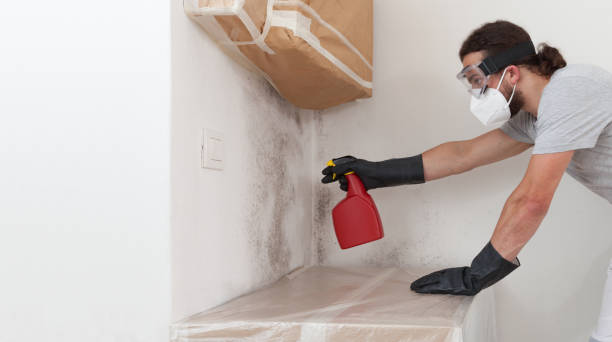
Finished basements make it worse. Drywall that touches the slab wicks water up like a paper towel, fiberglass batts pressed against cold concrete trap condensation, and the bottom plates of the stud walls sit in whatever puddles form. Carpet and pad laid straight on concrete act like a sponge, and cardboard boxes stored along the walls feed mold a steady diet of paper and glue.
Below grade, the EPA's 24 to 48 hour drying window is tight, since basement air often sits well above the 60% relative humidity the EPA recommends staying under. That's why a good basement job in Milford is really two jobs: removing what's moldy and stopping the water and humidity that grew it.