Below-grade mold
Why Basement Mold Keeps Coming Back in Minneapolis
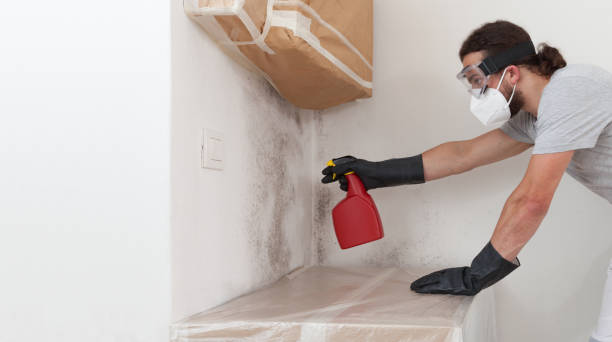
A basement sits in wet soil, and that changes everything about how mold gets in. After a long rain the groundwater climbs, and hydrostatic pressure forces seepage through wall cracks, tie-rod holes and the cove joint where the slab meets the wall. Add poor grading, downspouts that dump right at the foundation and window wells that fill like buckets, and the concrete stays damp for weeks.
Finishing the space hides the problem instead of solving it. Drywall run tight to the floor wicks moisture upward, fiberglass against the block holds dampness, and the wood bottom plate under every stud wall soaks up seepage first. Wall-to-wall carpet over bare concrete holds moisture in the pad, and stacks of stored cardboard give mold an easy food source right at floor level.
Below grade, the EPA's 24 to 48 hour drying window is tight, since basement air often sits well above the 60% relative humidity the EPA recommends staying under. So the useful basement call in Minneapolis covers both halves: clean out the growth, then shut off the moisture that started it.