Attic mold, explained
What Black Roof Sheathing in Your Creve Coeur Attic Really Means
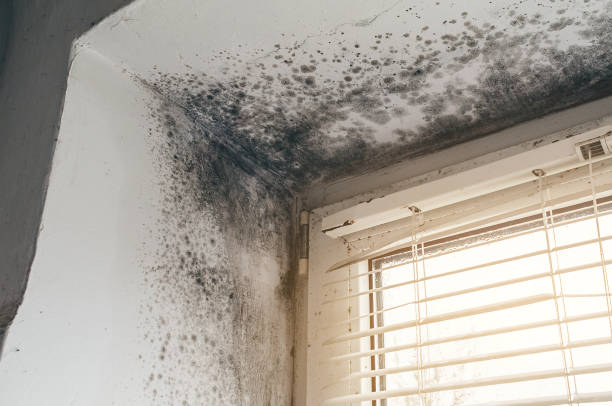
Most attic mold calls start the same way: a home inspector or roofer shines a flashlight through the hatch and sees the sheathing gone gray or black between the rafters. It's usually worst on the north-facing slope, since that side of the roof stays coldest and holds condensation longest. Through the cold months, humid air from the living space drifts up, meets the chilled underside of the deck and turns to water or frost, and that frost on the roofing nails eventually melts onto the insulation and drywall.
The sources are simple once you know where to look. Fan ducts that end in the insulation instead of at an exterior cap, soffit vents choked off by blown-in insulation, a ridge vent that's undersized or was never installed, and air leaks at top plates, can lights, plumbing stacks and the hatch all feed warm, wet air where it can't escape. An ice dam or a leak at the flashing around a vent pipe adds liquid water to the condensation.
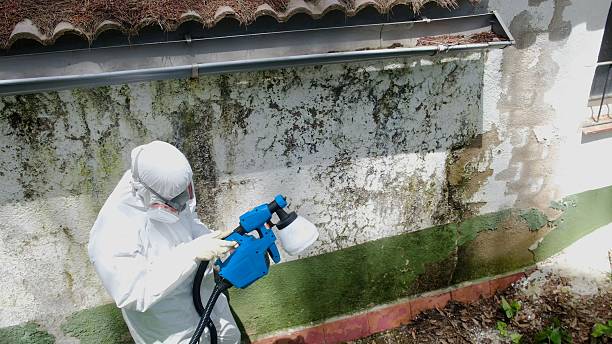
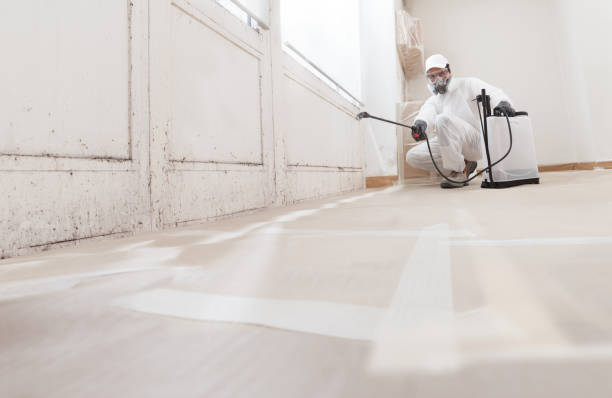
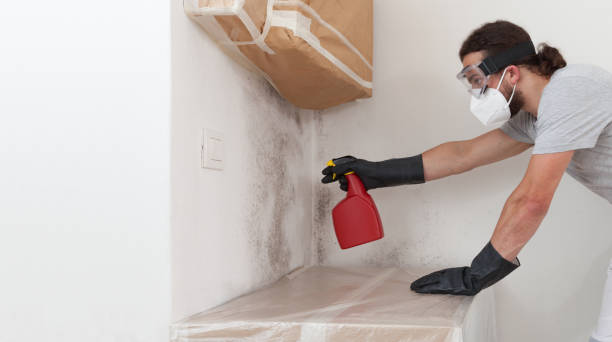
That's why cleaning the wood is only half of a real Attic Mold Removal job. If the airflow and air leaks aren't corrected, the same boards go black again within a few winters, however well they were blasted and sealed.