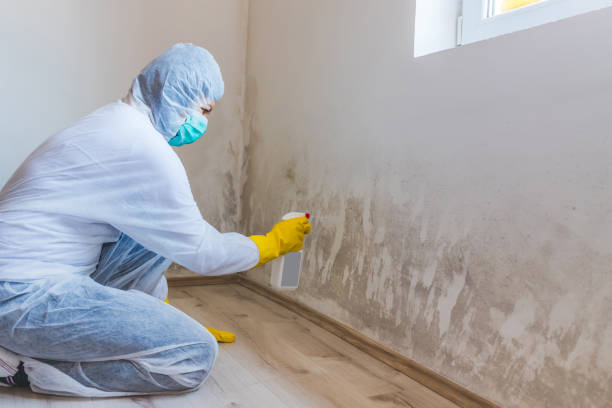
Attic mold, explained
What Black Roof Sheathing in Your Arnold Line Attic Really Means
Most attic mold calls start the same way: a home inspector or roofer shines a flashlight through the hatch and sees the sheathing gone gray or black between the rafters. The colder north-facing slope tends to be the worst of it, because that side gets the least sun and stays damp the longest. In winter, warm house air rises into the attic, hits the cold deck and condenses, sometimes freezing into frost on the nail tips that melts and drips through the ceiling on the first sunny day.
The sources are simple once you know where to look. Bath and kitchen exhaust fans that dump into the attic instead of venting outdoors, soffit vents buried under blown-in insulation, a weak or missing ridge vent, and attic bypasses around top plates, recessed lights, plumbing stacks and the hatch all push wet air into a space with no way out. Ice dams and leaks at flashing or roof penetrations add liquid water on top of that.
This is the reason cleanup alone never settles it. If the airflow and air leaks aren't corrected, the same boards go black again within a few winters, however well they were blasted and sealed.